
ABOUT THE LAB
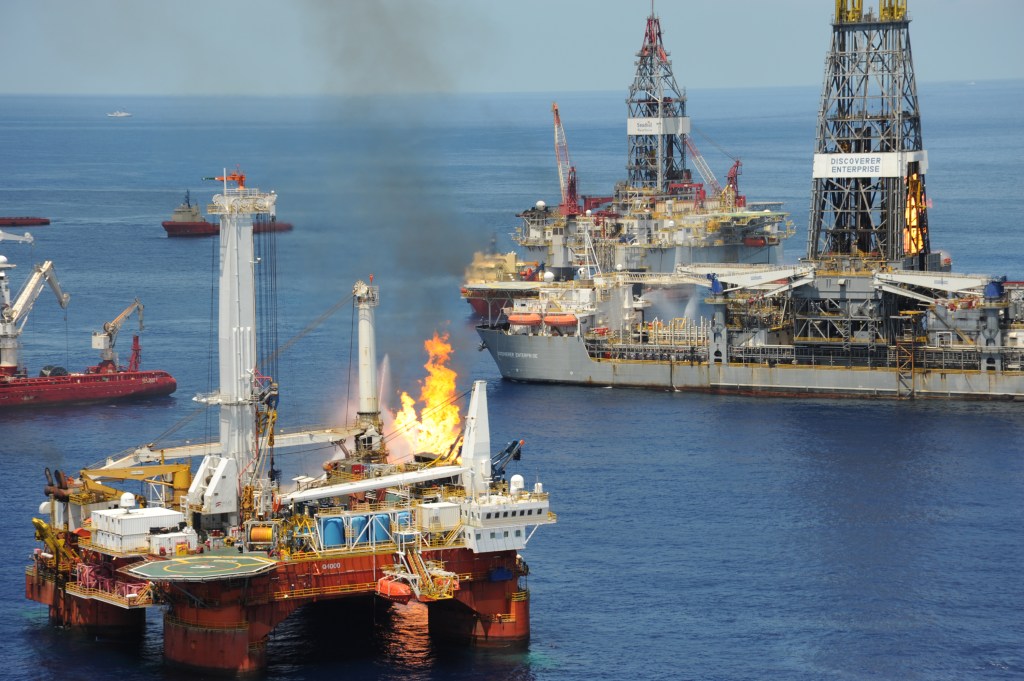
The Population Impact, Recovery, and Resilience Lab (PiR2) examine the health consequences of disasters, individual and community resilience, and long-term recovery from acute collective stressors with a social-ecological lens. The PiR2 Lab offers an opportunity for students to work directly with research datasets, to learn about public health disaster science, and to work on scientific articles.
ACADEMIC YEAR 2024-2025 PROJECTS
PUBLIC HEALTH EXTREME EVENTS RESEARCH (PHEER)
PHEER serves as a coordinating mechanism for the public health disaster research community of practice. PHEER works to advance the field of public health disaster science by supporting a community of scientists, public health researchers, practitioners, and policymakers that can rapidly mobilize to conduct time-sensitive research on disasters and build the capacity of the future of disaster research. This lab will explore the use of location-based data as a source of population health surveillance. The lab may get involved in specific disaster responses, including producing situation reports for the PHEER national network.
MEET THE TEAM

Shannon Malloy

Olivia Morris

Lois Angelo
Angel Kanda
SOUTHEAST QUEENS ENVIRONMENTAL JUSTICE PROJECT
The Environmental Justice Project, in partnership with the Southeast Queens Residents Environmental Justice Coalition, is a community-based participatory research project aiming to understand the impacts of flooding on health and wellbeing. The research attempts to understand and quantify the mental and physical health impacts of living in a home that is highly prone to stormwater and groundwater flooding, underlined by the consequences of climate change. The lab may be involved in the analysis of community survey data and the production of community briefing reports.
MEET THE TEAM

Avi Aulakh
Catherine Martinez
Hannah Lynn Baptiste
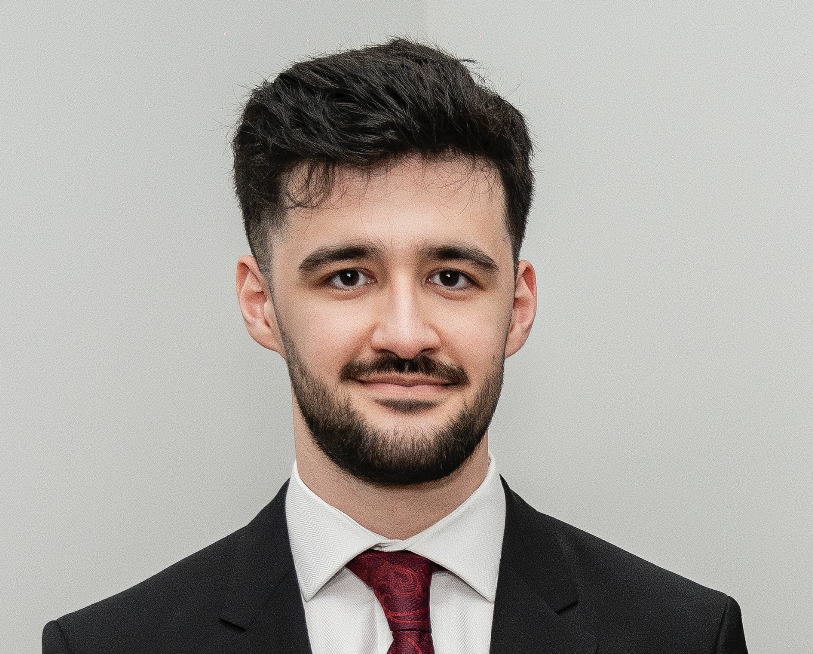
Sarvar Khamidov
GLOBAL URBAN COASTLINE INITIATIVE
The Global Urban Coastline Initiative is a network of trans-disciplinary scholars focusing on the generalizable systemic climate, social, and economic stressors that threaten human health in coastline cities worldwide. The program focuses on developing a platform for trans-disciplinary dialogue and team science, articulating a conceptual framework of the intersection of resiliency and vulnerability, and developing grant proposals. The lab team will explore a variety of data sources and help populate a health data dashboard that targets climate-related health measures in coastal cities.
MEET THE TEAM

Vanessa Denashvar

Regan McEnroe

Maggie Wan

Mingyu Jia
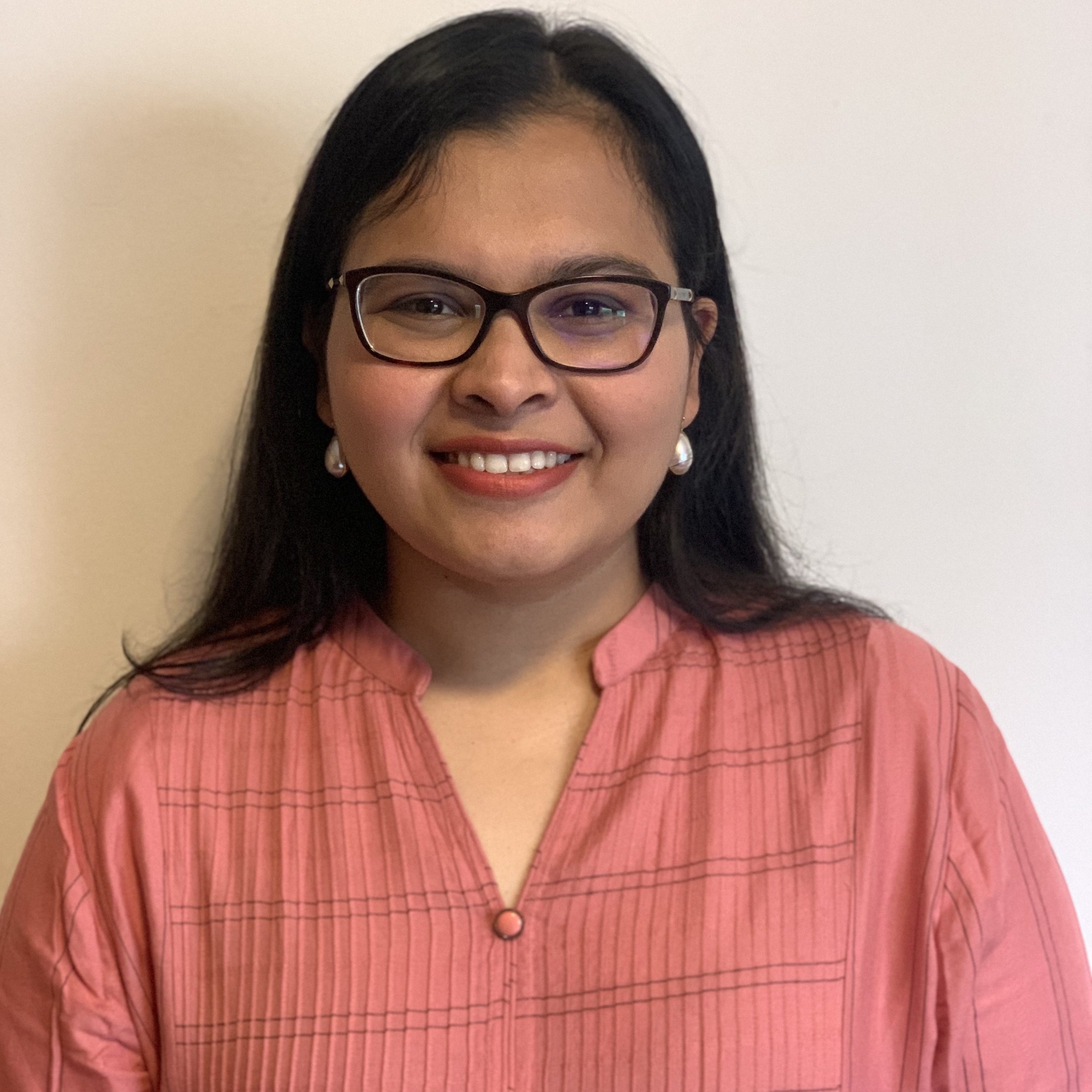
Khushpreet Kaur
ACADEMIC YEAR 2023-2024 PROJECTS
SUCCESSFUL AGING IN THE TIME OF WILDFIRES
“Successful Aging in a Time of Wildfires” is a research study designed to examine the effects of chronic and acute wildfire smoke exposure on the successful aging of community-dwelling older adults living in California. The broad long-term objectives of the study are to identify those factors amenable to prevention, mitigation, or adaptation, so that older adults living in wildfire-susceptible regions of the country can safeguard their health by attending to the air around them, the buildings in which they live, and to the social supports and protective behaviors in which they can engage.
MEET THE TEAM

Hang Ngo
Jinyuan Chen
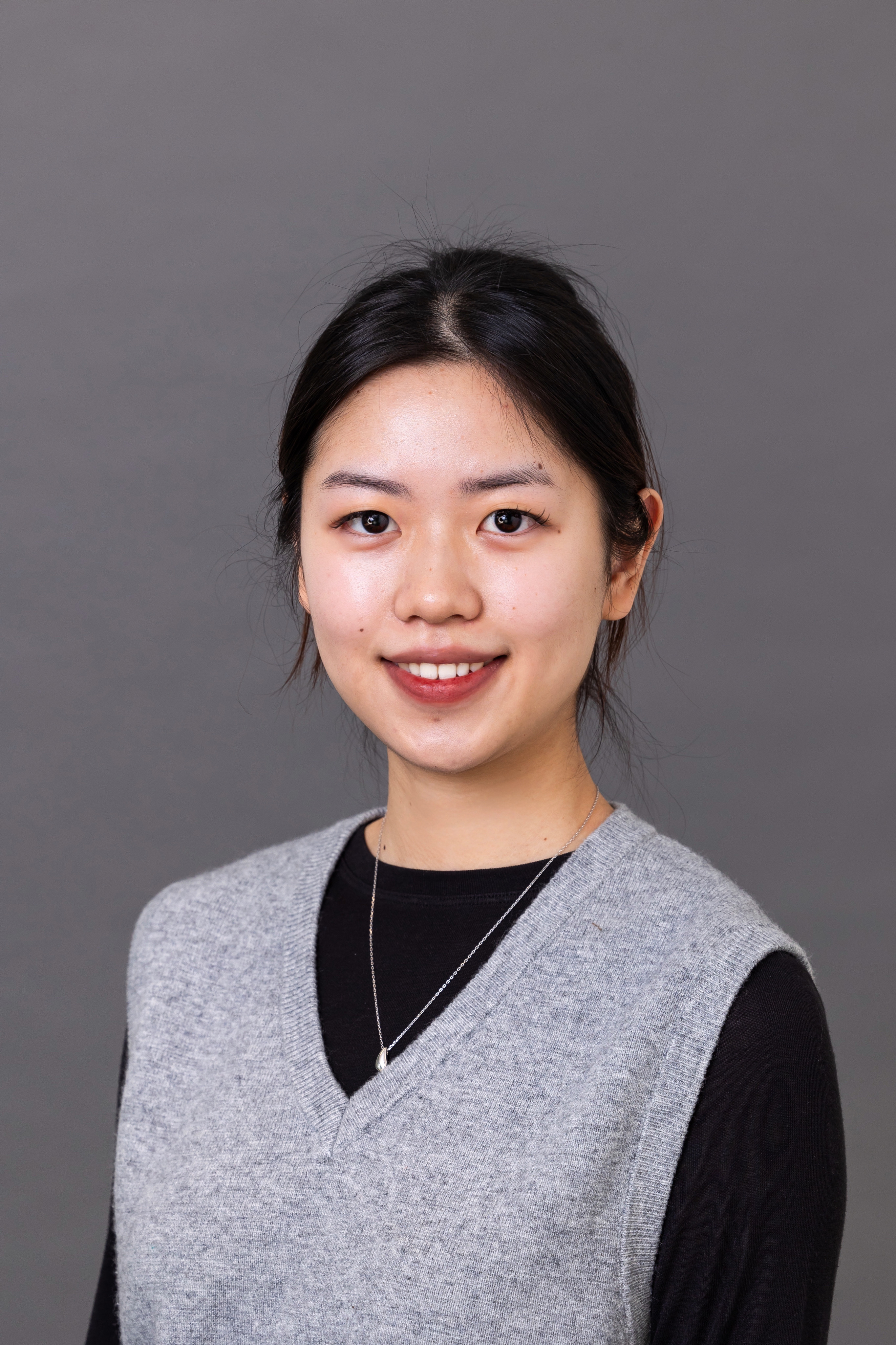
Huaichen Huang
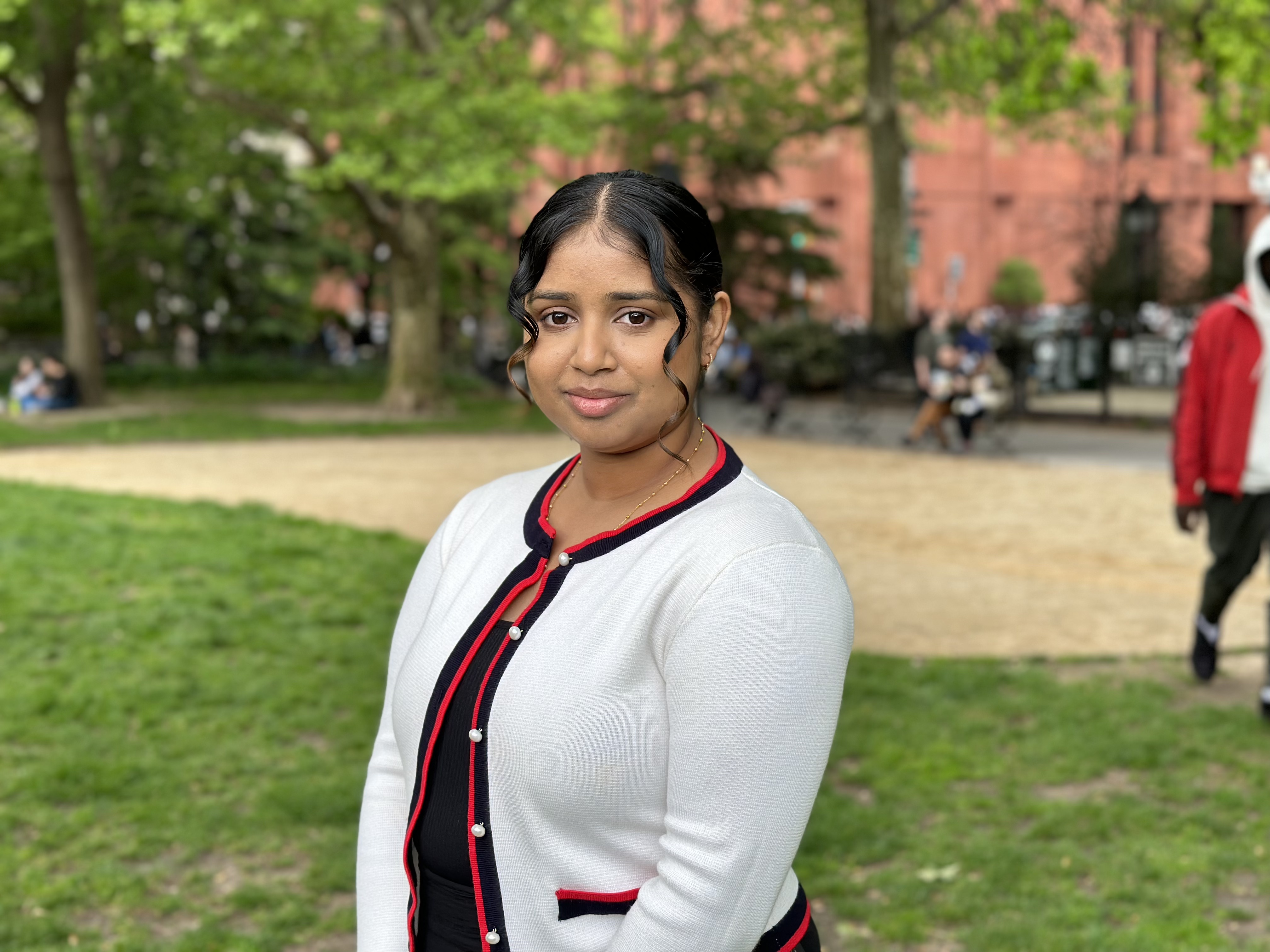
Nowshin Mannan
PUBLIC HEALTH EXTREME EVENTS RESEARCH (PHEER)
PHEER serves as a coordinating mechanism for the public health disaster research community of practice. PHEER works to advance the field of public health disaster science by supporting a community of scientists, public health researchers, practitioners, and policymakers that can rapidly mobilize to conduct time-sensitive research on disasters and build the capacity of the future of disaster research. This lab produced scoping review of virtual data assessments of post-disaster settings.
MEET THE TEAM

Chelsea Chobany
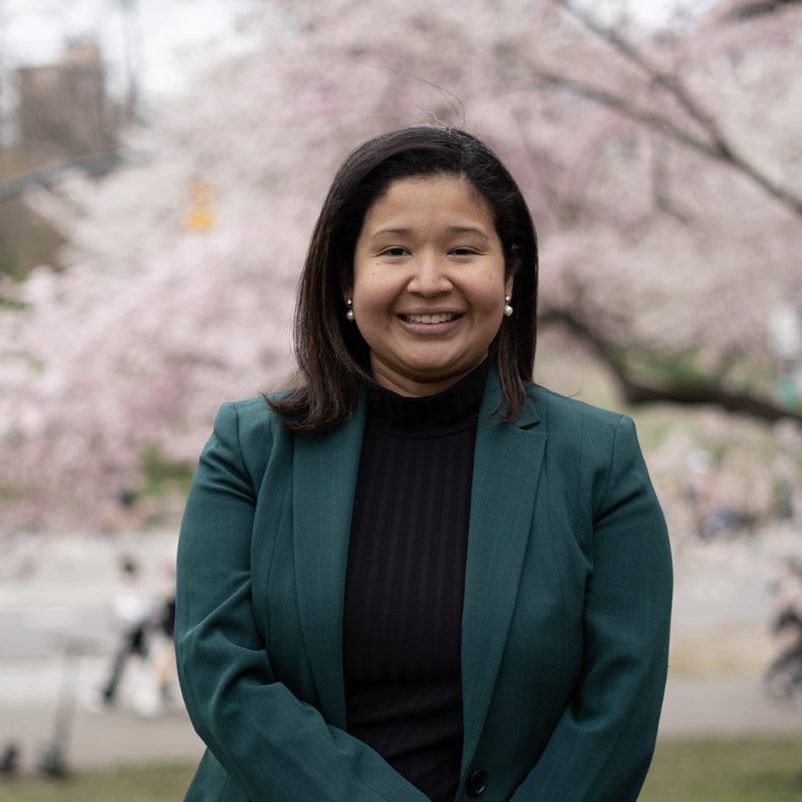
Nicole Brandao
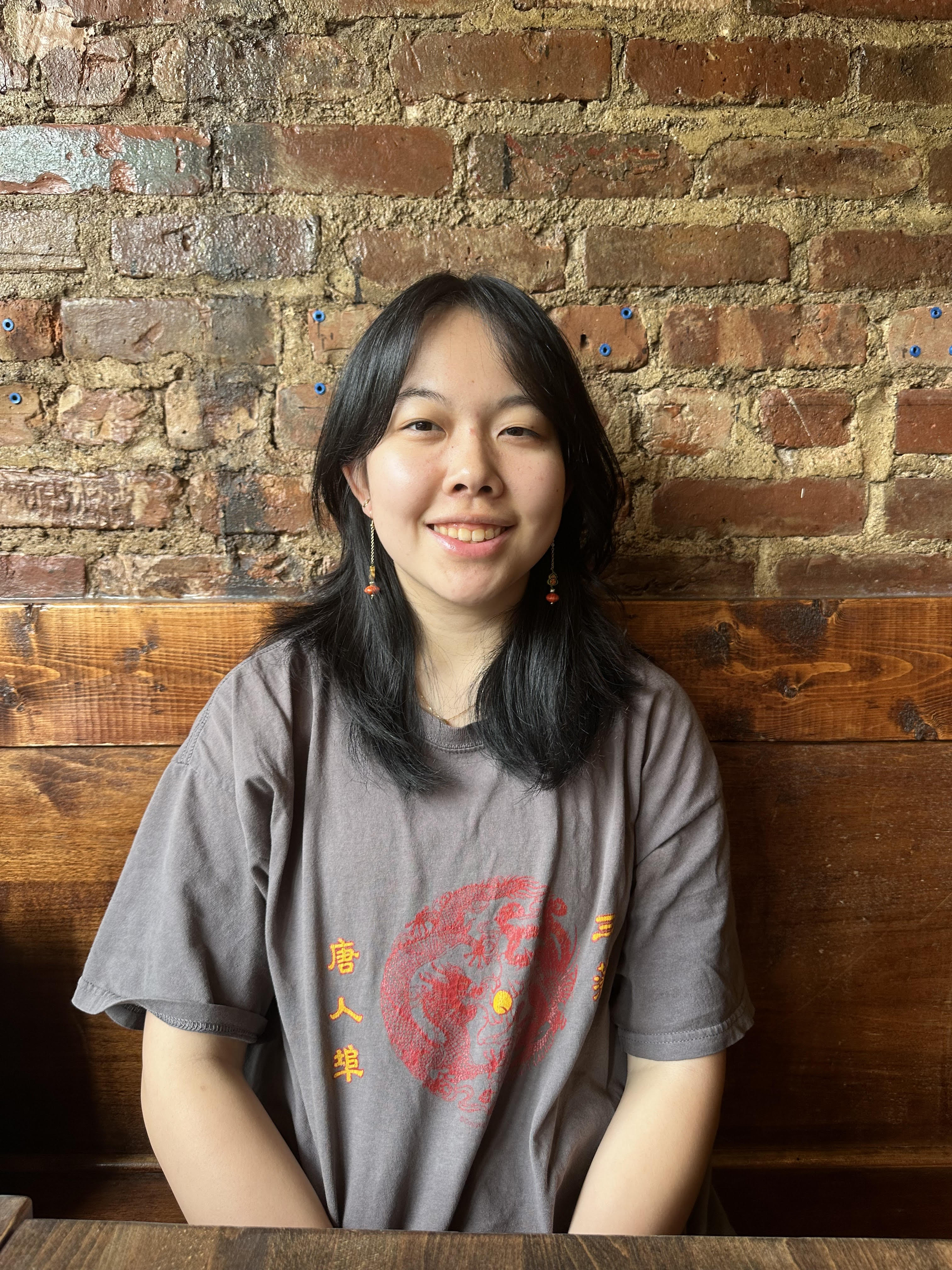
Emily Wang

Iman Yusuf
COVID-19 HEALTHCARE PERSONNEL STUDY
The COVID-19 Healthcare Personnel Study (CHPS), was designed to assess adverse short-term and long-term physical and mental health impacts of the coronavirus disease-2019 (COVID-19) pandemic on New York’s physicians, nurse practitioners, and physician assistants. This lab’s analysis examines the challenges and stresses experienced by the workforce, understands the ways that the COVID-19 pandemic changes clinical decision-making and practice behavior, assesses the impact of the COVID-19 pandemic on the mental, physical, and social health of the health care workforce and their families, seeking to reducing adverse health outcomes for the health care workforce and facilitating their ability and willingness to work.
MEET THE TEAM
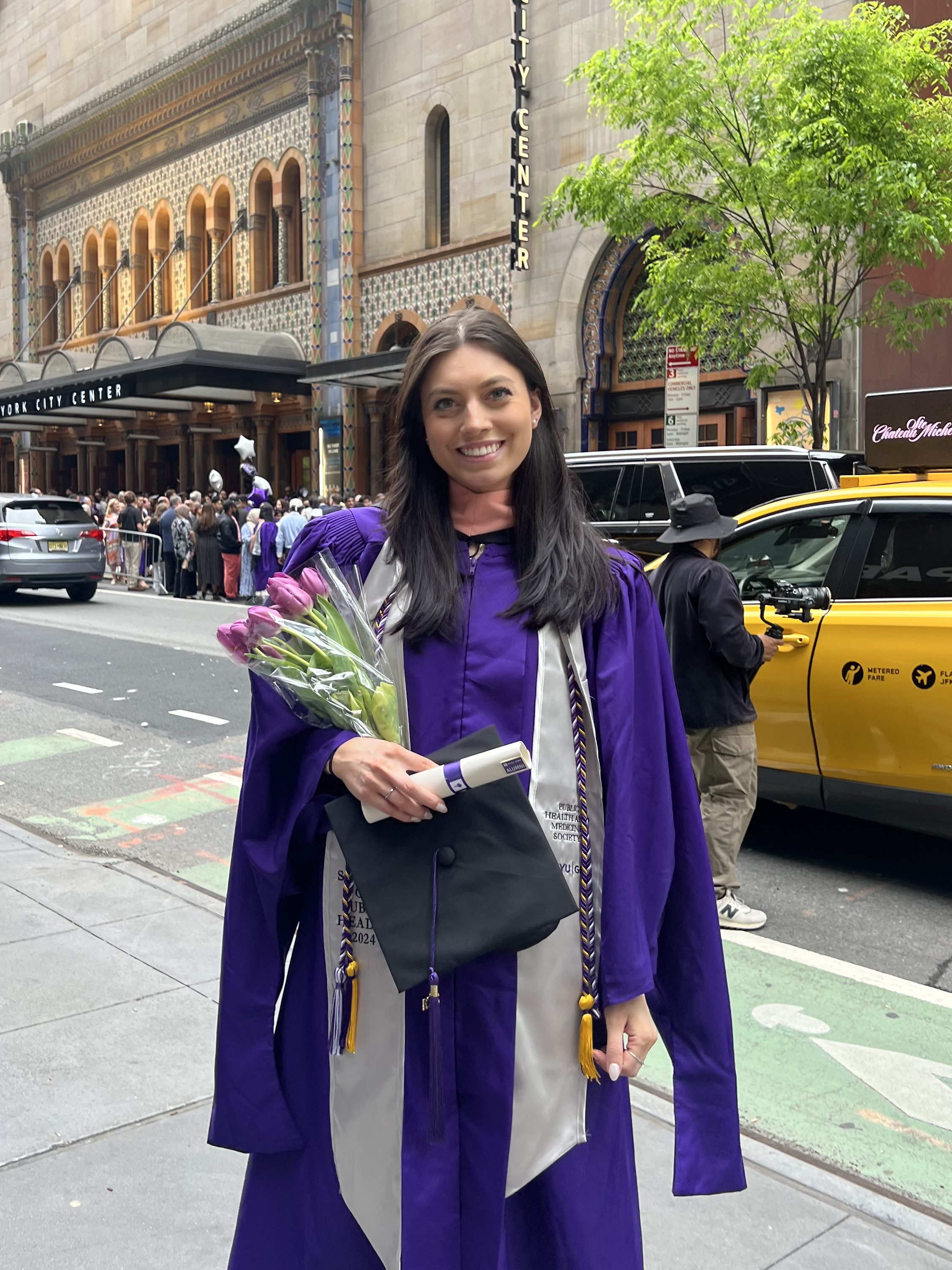
Maya Yorks
Runze Wang
Shirley Shen

Merik Patel
BRAINSTORMING PROJECT
An exploration of web-scraping techniques and AI technology to assess the relationship between “Core Beliefs”—such as the importance of individual merit and effort versus collectivist responsibility, epistemological notions of what constitutes truth and evidence, and trust and belief in governance institutions or medicine and science—and “Secondary Beliefs”—such as vaccine hesitancy, reproductive rights, or public health interventionism. The project team used various analytic strategies to identify these connections as a formative research project. This work is associated with one of the Center’s studies, an NSF-funded project examining the role of trust, beliefs, and information-seeking in COVID-19 vaccine hesitancy.
MEET THE TEAM
Maria Rabago
Olivia Morris
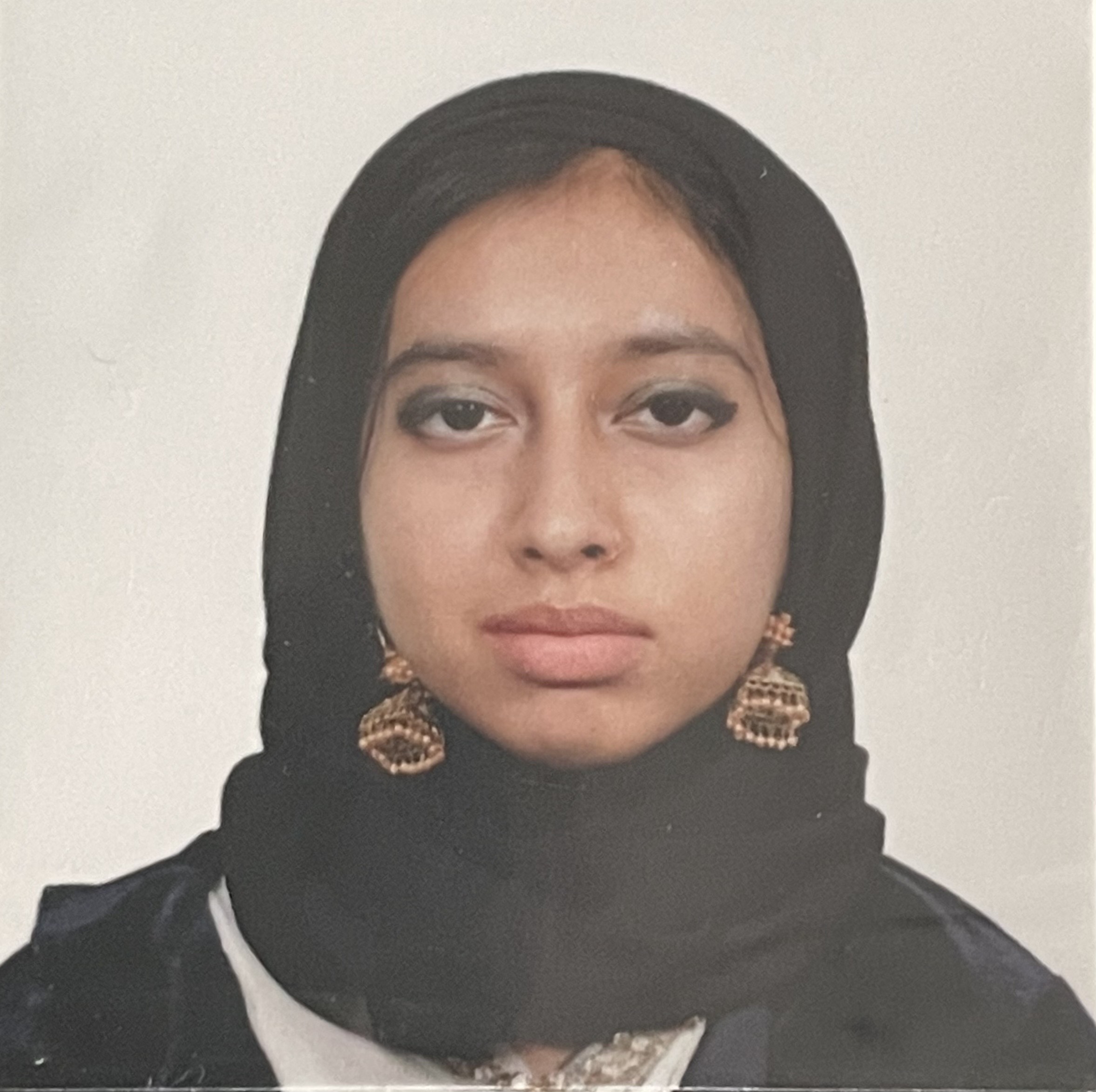
Tasnia Hakim

Nancy (Yuanyuan) Hu
LAB LEADERSHIP
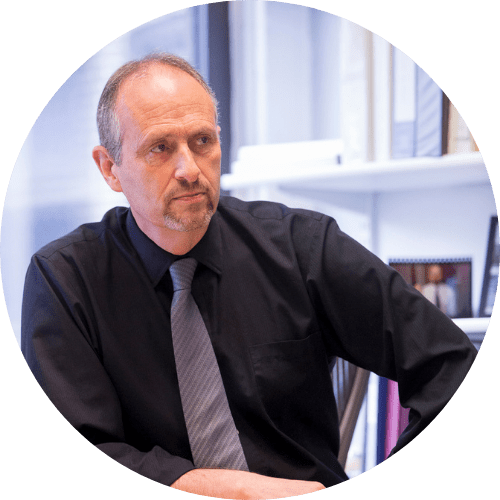
David Abramson, MPH, PhD
Dr. David Abramson is a Clinical Professor at NYU’s School of Global Public Health and the director of PiR2. His research employs a social-ecological framework to examine the health consequences of disasters, individual and community resilience, and long-term recovery from acute collective stressors.

