CENTER FOR PUBLIC HEALTH DISASTER SCIENCE
The NYU Center for Public Health Disaster Science applies social science and public health
theory and methods to the complex challenges posed to community and individual health and
wellbeing by natural, man-made, biological, and technological hazards and disasters.
THE CENTER’S FIVE THEMES
Life-course research
Exploring the ways that disasters, extreme events, climate threats, and other acute collective stressors exert distinctive effects on different ages, most specifically on children and older adults.
Cues to action
A particular emphasis on the environmental and media cues that prompt individuals and populations to act, models of risk communication and community engagement, and the belief systems that underlie such responses.
Social-ecological models of health and recovery
Highlighting the ways that the inter-dependence of formal and informal social, civic, organizational, and economic systems support or impede individual and community health and well-being.
Population impact, recovery, and resilience
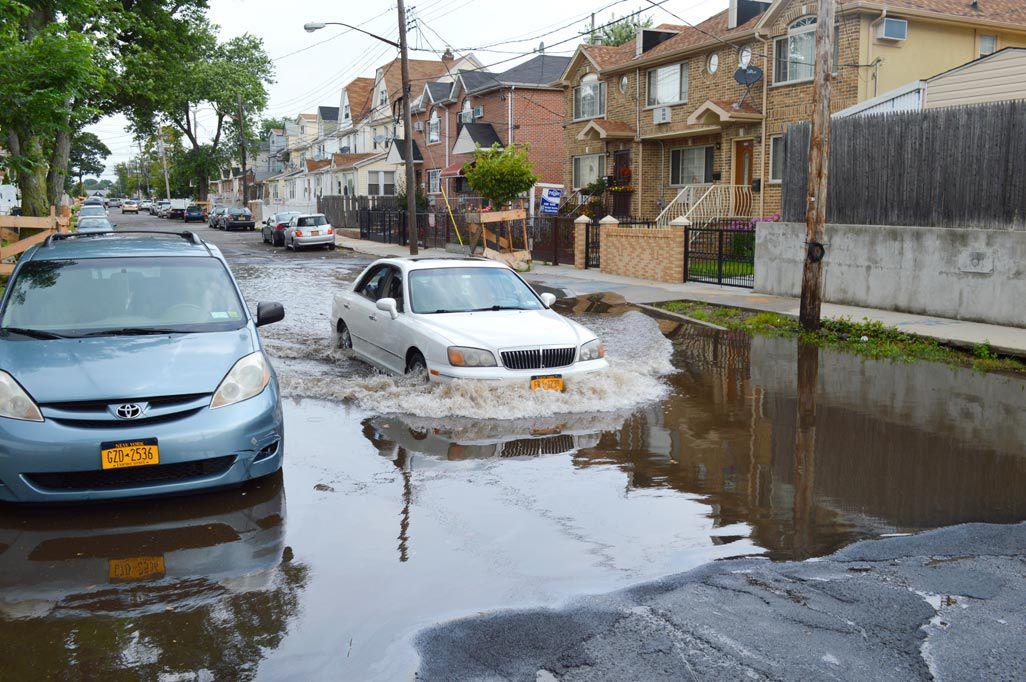
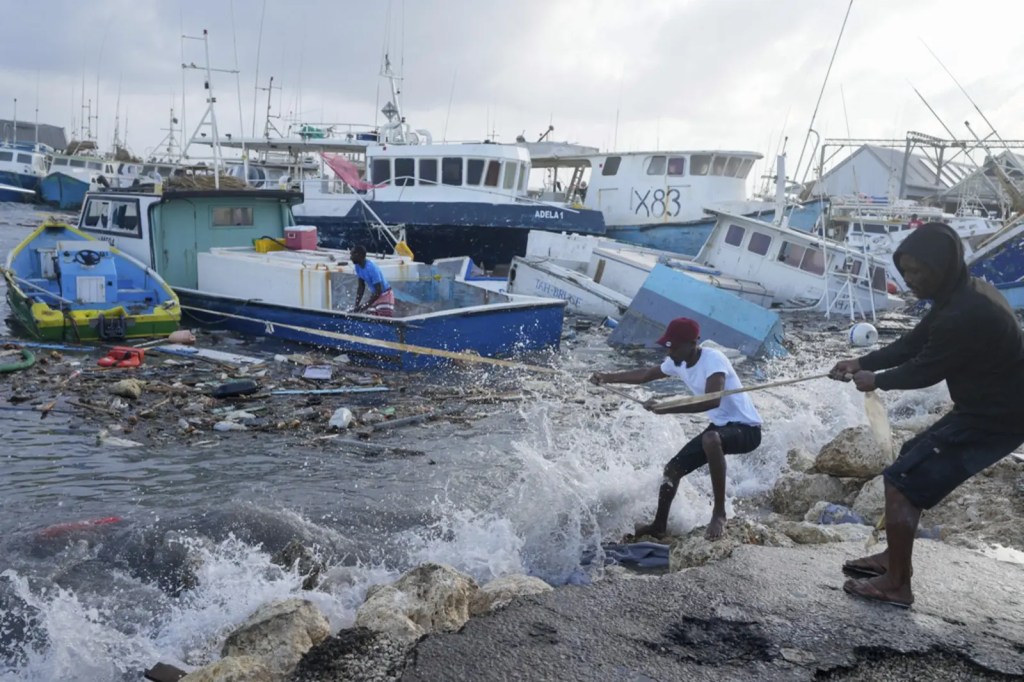
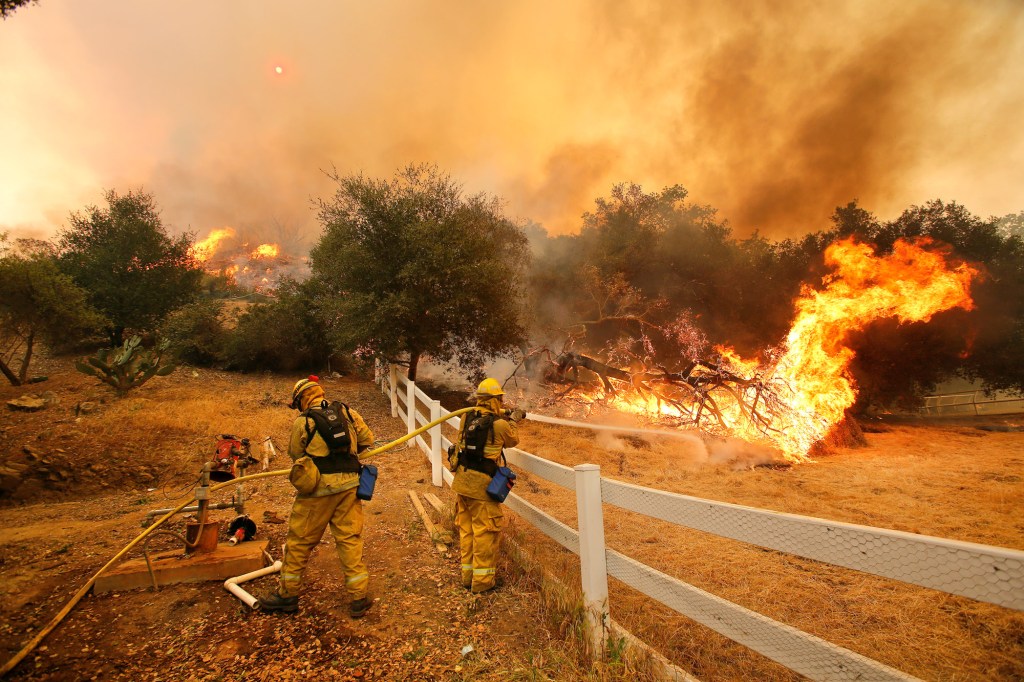
Focuses on the effects of exposure to acute collective stressors (including the direct, indirect, and cascading consequences of disaster exposure),the conditions that make some groups vulnerable and others resilient, the variable impact such disasters and extreme events have on different sub-groups, and the conditions that support quicker and more complete recovery.
Rapid response, translation, and support
Developing practical tools, surveillance, health assessments, organizational frameworks, or decision-support tools for communities, local civic and governmental agencies, media, and for the field of public health practice.
NETWORKS
RESEARCH