
ABOUT THE LAB
The Climate Justice & Health Lab (CJHL) examines the long-term health impacts of acute disasters like Hurricanes Katrina, Sandy and Ian, as well as the California wildfires. The Lab examines how communities grapple with risk perception and decision-making for slow onset climate disasters. Using both quantitative and qualitative methods, the Lab members develop the skills needed to form a holistic approach to understanding the health impacts of climate change disasters.
RESEARCH
AREA Study
The Aging in Risky Environmental Areas (AREA) Study is a survey of U.S. adults age 50 and older collected in November 2022. The sample of 1,504 respondents is nationally representative and focuses on topics including, disaster exposure, healthy aging, and perspectives on climate adaptation and mitigation.
Hurricane Ian Longitudinal Recovery Study
The goal of this longitudinal in-depth interviewing study is to follow 60 older adults who were highly exposed to Hurricane Ian (2022). This powerful storm was just shy of a Category 5 hurricane and leveled several areas in Lee County, Florida. This study will document the recovery of older adults from three different communities, including their exposure and evacuation, mental and physical health impacts, and long-term recovery.
BRACE Intervention
Building Resilience among the Aging in Climate-challenged Environments is a tablet-based intergenerational intervention that will match older and younger adults to form “resilience dyads” in order to complete resilience-building activities using a virtual platform. This pilot intervention will look to improve the ability of community-dwelling older adults to successfully age in place by targeting known factors of disaster resilience including preparedness, self-efficacy, and social cohesion.
S-CAFH: Older Adult Long-term Recovery Study
As we approached the 10 year anniversary of Hurricane Sandy (2012), members of the CJHL conducted in-depth interviews with 30 older adults respondents who were previously enrolled in the Sandy Child & Family Health (S-CAFH) Study. Our interviews aimed to understand how well residents had recovered from Sandy; how exposure to the storm shaped decisions to age in place; and, how exposure shaped their views about climate change.
LAB LEADERSHIP
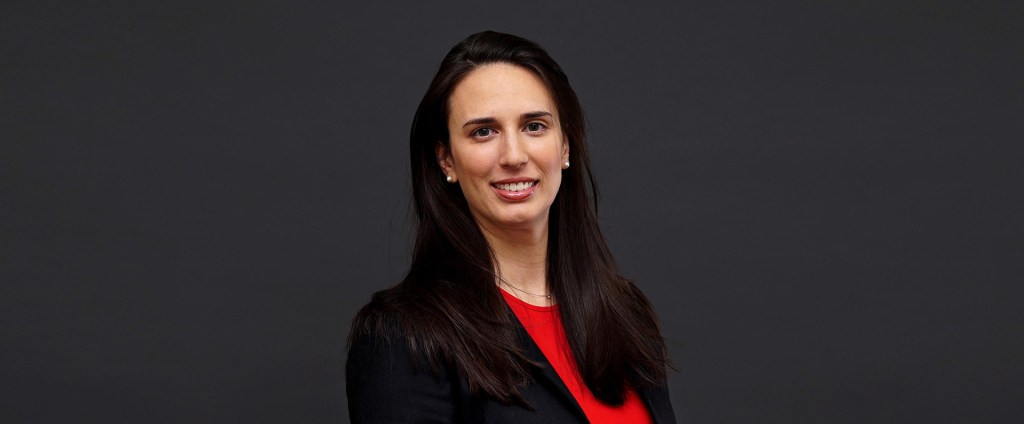
Alexis Merdjanoff, PhD
Dr. Alexis Merdjanoff is an Assistant Professor of Social and Behavioral Sciences at New York University’s School of Global Public Health and Director of Research at the Center for Public Health Disaster Science. She is a public health sociologist who explores how population health is affected by exposure to disasters and climate change.

